




If you’ve owned a vehicle for a while, you’ve probably heard a variety of answers to this question.
Some people swear by changing their oil every 3,000 miles. Others say you can safely drive 7,500 or even 10,000 miles between oil changes.
So who’s right?
The truth is, it depends on your vehicle, your driving habits, and the type of oil your engine uses. Understanding those factors can help you protect your engine, improve performance, and avoid expensive repairs down the road.
Why Oil Changes Matter
Your engine contains hundreds of moving parts working together at high speeds and temperatures.
Motor oil has several important jobs:
- Lubricates engine components to reduce wear
- Helps cool critical engine parts
- Removes dirt and contaminants
- Prevents corrosion
- Improves engine efficiency
Over time, even the highest-quality oil begins to break down. As it ages, it becomes less effective at protecting your engine, making routine oil changes one of the simplest and most important maintenance tasks you can perform.
The Old 3,000-Mile Rule Isn’t Always Necessary
Years ago, changing your oil every 3,000 miles was good advice.
Today’s vehicles and synthetic oils have changed that.
Many modern vehicles—including current Chrysler, Dodge, Jeep, and Ram models—can often go 5,000 to 10,000 miles between oil changes when using the manufacturer-recommended oil.
The best source of information is always your owner’s manual or your vehicle’s Oil Life Monitoring System.
What Affects How Often You Should Change Your Oil?
Several factors determine the ideal oil change interval.
Your Driving Habits
Frequent short trips, stop-and-go traffic, towing, off-road driving, or driving in extreme temperatures can all cause your engine oil to wear out more quickly.
If you regularly drive in these conditions, you may need oil changes more often than someone who primarily drives on the highway.
Conventional vs. Synthetic Oil
Synthetic oil generally lasts longer and provides better protection than conventional oil.
Many newer vehicles are designed specifically for synthetic oil, which is one reason recommended service intervals have increased in recent years.
Using the correct oil recommended by your manufacturer is essential for optimal engine performance.
Your Vehicle’s Age
Older vehicles with higher mileage may benefit from more frequent oil changes, especially if they consume oil or have accumulated years of wear.
Regular maintenance can help extend the life of these engines and improve reliability.
Don’t Ignore Your Oil Change Reminder
Modern vehicles use sophisticated systems that monitor engine operating conditions and calculate when it’s time for service.
If your oil change reminder appears, don’t wait weeks—or months—to schedule maintenance.
Ignoring the warning can lead to:
- Increased engine wear
- Reduced fuel efficiency
- Poor engine performance
- Sludge buildup
- Potentially costly repairs
A timely oil change is far less expensive than replacing major engine components.
Signs Your Vehicle May Need an Oil Change
Even if the reminder light hasn’t appeared, watch for these common signs:
- Engine oil appears dark or dirty
- Unusual engine noise
- Oil warning light
- Burning oil smell
- Reduced fuel economy
- Excessive engine vibration
If you notice any of these symptoms, it’s a good idea to have your vehicle inspected.
Oil Changes Are More Than Just Fresh Oil
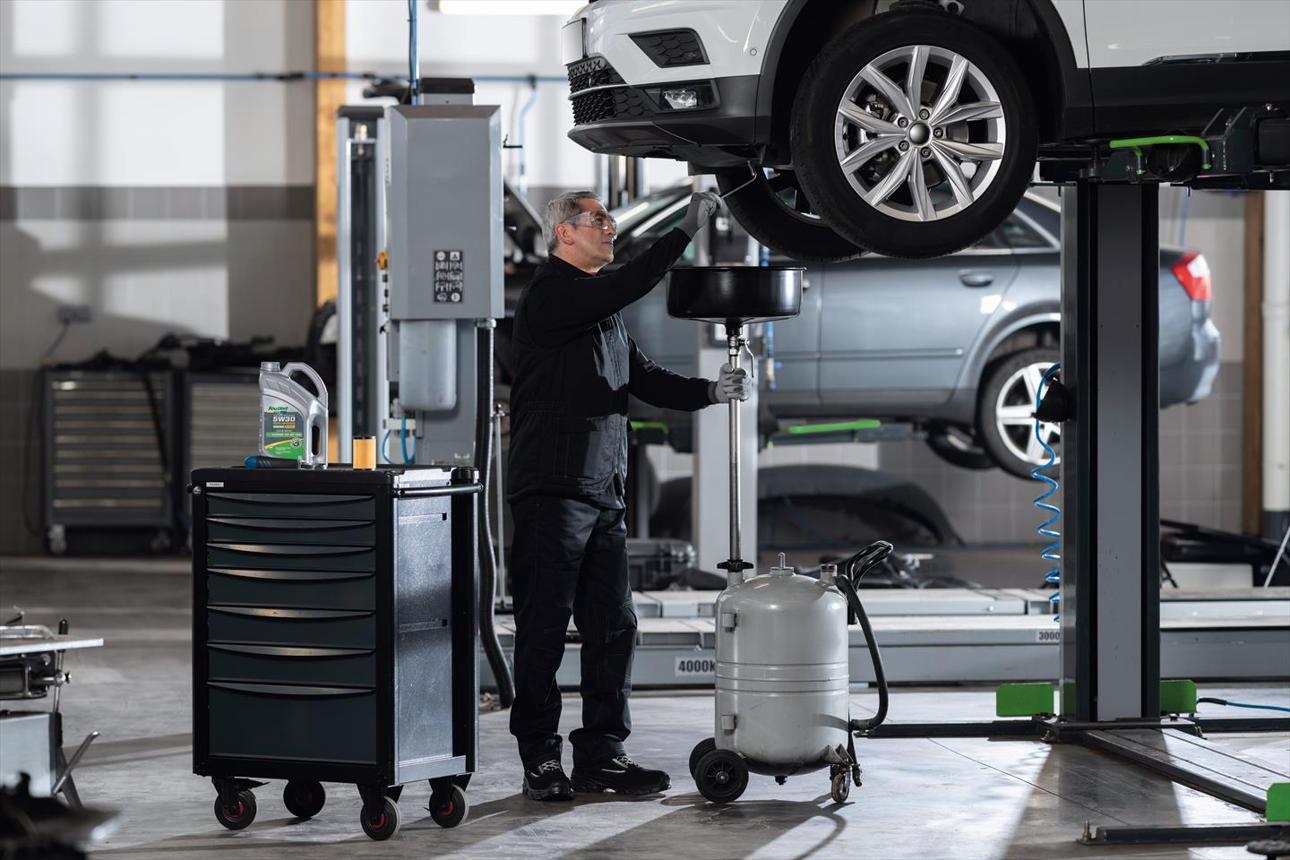
During an oil change, trained technicians often perform a basic inspection that can help identify small problems before they become expensive ones.
This may include checking:
- Tire condition and pressure
- Fluid levels
- Battery condition
- Belts and hoses
- Brakes
- Air filters
- Exterior lights
Routine maintenance visits provide an opportunity to catch issues early, saving time and money in the long run.
Protect Your Investment
Your vehicle is one of the largest investments you’ll make.
Routine maintenance—including regular oil changes—is one of the easiest ways to protect that investment and keep your vehicle running reliably for years to come.
Whether you drive a brand-new Jeep Wrangler, a hardworking Ram truck, or a dependable family SUV, staying on top of your oil changes helps maximize performance, fuel efficiency, and engine life.
Let Heritage Auto Logan Help Keep You on the Road
At Heritage Auto Logan, we know routine maintenance plays a major role in keeping your vehicle dependable.
Our factory-trained technicians use manufacturer-recommended parts and fluids, perform thorough inspections, and treat every vehicle with the same care we’d give our own.
If you’re unsure whether it’s time for your next oil change, our team is happy to help.
Because taking care of your vehicle today helps ensure it’s ready for every adventure tomorrow.
Connect with us

